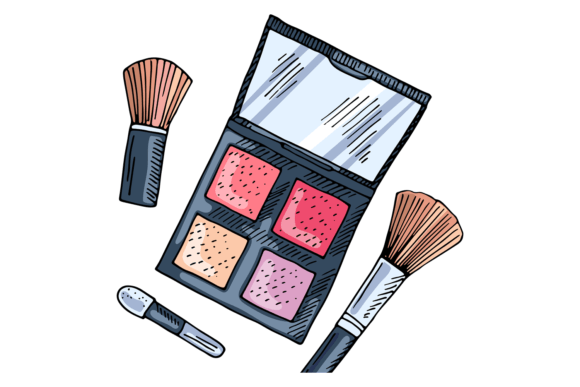
Makeup Palette Color Sketch. Blush and E: A Practical Guide to Choosing and Using Digital Makeup Assets
When working with digital design elements for beauty or creative projects, the Makeup Palette Color Sketch. Blush and E offers a versatile and visually appealing resource. Whether you're a makeup artist, graphic designer, educator, or content creator, this collection of blush and eye-related brushes in EPS, JPG, SVG, and transparent PNG formats can enhance your visuals. However, like any digital asset, it's easy to overlook key details that affect usability, quality, and value.
Understanding the Makeup Palette Color Sketch. Blush and E
The Makeup Palette Color Sketch. Blush and E is a curated set of vector and raster graphics representing blush and eye makeup elements. These are typically used in digital illustrations, tutorials, product mockups, and branding materials. The inclusion of multiple file types—like SVG for scalability and transparent PNG for clean overlays—makes them adaptable for different software and platforms.
People often search for these assets to streamline their design workflow, create professional-looking tutorials, or present makeup looks digitally. However, without a clear understanding of what to look for, users can end up with files that don't meet their needs.
1. Assuming All File Types Are Interchangeable
One of the most common missteps is assuming that EPS, JPG, SVG, and PNG files can be used interchangeably. Each format has a specific use:
- SVG is ideal for scalable graphics without quality loss, perfect for web design or illustrations.
- EPS is best for print and vector editing in Adobe Illustrator.
- PNG with transparency is great for overlays in digital design tools like Photoshop or Canva.
- JPG is suitable for general use but lacks transparency support.
Using the wrong file type can lead to poor image quality, difficulty editing, or layout issues.
2. Overlooking License Terms
Many users download assets without checking the licensing agreement. Some versions of the Makeup Palette Color Sketch. Blush and E may be free for personal use but require a commercial license for marketing, branding, or resale. Ignoring these terms can result in legal issues or unexpected costs down the line.
3. Not Previewing Before Purchase
It's tempting to buy based on thumbnail images, but previews are essential. Some assets may have inconsistent color palettes, low resolution, or limited variation in brush styles. Always check sample images and, if available, downloadable previews to ensure the set meets your project needs.
4. Underestimating Compatibility Needs
Designers often forget to verify whether the files are compatible with their software. For instance, SVG files work well in modern web platforms and vector editors but may not be supported in older design tools. If you're using software like Procreate or Affinity Designer, confirm whether the brushes will import correctly.
How These Mistakes Affect Your Work
Choosing the wrong file type or ignoring licensing can lead to wasted time, repeated downloads, and even legal complications. Poor-quality assets can make your final design look unprofessional, especially in client-facing work or marketing materials. Additionally, spending time editing low-quality images instead of creating content can reduce productivity and creativity.
1. Match File Types to Your Workflow
Before downloading, consider how you'll use the asset:
- Need to scale without quality loss? Go with SVG or EPS.
- Creating a layered design in Photoshop? Transparent PNG is your best bet.
- Need a quick visual for a blog post or social media? JPG may suffice.
Always check the file extensions included in the package and confirm they align with your software and output needs.
2. Read the License Agreement Carefully
Look for clear licensing information before purchasing or downloading. If it's not obvious, reach out to the seller. For commercial use—such as in product packaging, marketing campaigns, or educational materials—ensure the asset includes a commercial-use license or purchase one separately if needed.
3. Evaluate the Color Range and Brush Variety
Not all blush and eye brushes are created equal. Some sets may have limited color variations or repetitive shapes. A good set should include a range of blush tones (peach, pink, coral) and eye brushes (blending, shading, highlighting) to suit different makeup styles and skin tones.
4. Test Compatibility with Your Software
If you're unsure whether the brushes will work with your design tool, try to find a free version or demo of the asset first. Many platforms offer sample packs or trial versions that let you test compatibility without commitment.
What to Check Before Downloading or Buying
Before finalizing your decision, review the following details:
- File types included – EPS, SVG, PNG, JPG, or a combination?
- License type – Personal, commercial, or extended?
- Color and style variety – Are there enough options for your intended use?
- Resolution and scalability – Will the files look sharp in print and on screen?
- Customer reviews – Do other users report compatibility or usability issues?
Realistic Examples and Better Approaches
Let’s say you’re designing a makeup tutorial for Instagram. You choose a Makeup Palette Color Sketch. Blush and E set that only includes JPG files. When you try to overlay them on a pastel background, the white edges look unnatural. You could have avoided this by selecting transparent PNG files instead.
Another example: a small business owner wants to create branded makeup swatches for their product line. They download a free set of brushes but later discover it's only licensed for personal use. This oversight could lead to a cease-and-desist letter or the need to repurchase the asset at a higher cost.
A better approach would be to preview the assets, confirm the file types and license, and test a small sample before committing to a full purchase.
Final Thoughts
The Makeup Palette Color Sketch. Blush and E is a valuable tool for anyone working in digital beauty content, but like any creative resource, its effectiveness depends on how well it's chosen and applied. By avoiding common mistakes and understanding the nuances of file types, licenses, and compatibility, you can save time, improve quality, and ensure your work looks polished and professional.